Rest-pause sets
A rest-pause set is a heavy set taken to or near failure, followed by short rests of around 20 seconds and further repetitions with the same weight [1]. In trained lifters, rest-pause training produced similar or better gains than traditional sets [2][3].
What is rest-pause training?
In a rest-pause set you lift a heavy weight until you can't do another repetition, rest briefly, then do a few more repetitions with the same weight, and repeat. In a well-known study, lifters squatted 80% of their one-repetition maximum to failure, then rested 20 seconds between further sets until they had done 20 repetitions [1].
Definitions vary. Some studies use a much shorter pause, about 4 seconds between single repetitions [4]. Myo-reps, developed by Borge Fagerli, are one form of rest-pause [5].
Types of rest-pause
Rest-pause to a target number of repetitions #
The first set goes to failure; then short sets with about 20 seconds of rest follow until a target total is reached. In the squat study the target was 20 repetitions at 80% of a one-repetition maximum, and it took about two sets [1].
Rest between single repetitions #
Some studies call a different structure rest-pause: a short pause of about 4 seconds between each repetition of a set, so the lifter can keep going longer at a heavy weight. In a bench press study at 80% of a one-repetition maximum, this let lifters move more total weight than traditional sets [4].
How to do a rest-pause set
- Pick a heavy weight. Studies used about 80% of a one-repetition maximum [1][4].
- Do the first set to or near failure [1].
- Rest briefly, around 20 seconds in the best-known protocol [1].
- Do as many more repetitions as you can with the same weight. These short sets are often called bursts.
- Repeat the rest and the burst until you reach your target number of repetitions, or can't do another [1].
Example: a rest-pause set
EXAMPLE (SAMPLE NUMBERS)
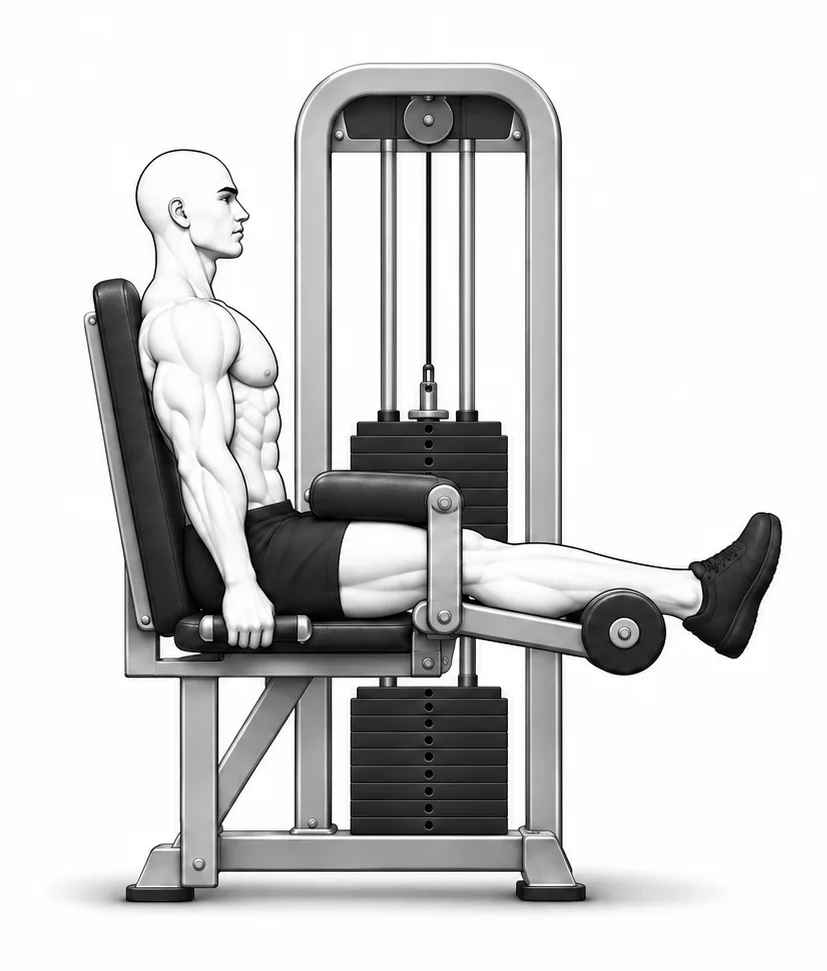
- Seated Leg Curl, 95 lb: 12 repetitions, close to failure.
- Rest about 20 seconds, then 5.
- Rest about 20 seconds, then 5.
- Rest about 20 seconds, then 4.
Block total: 12 + 5 + 5 + 4 = 26 repetitions with one weight.
In the squat study, the rest-pause version took about 2 sets and 103 seconds to reach 20 repetitions, against 780 seconds for five sets of four with 3-minute rests [1].
Which exercises suit rest-pause?
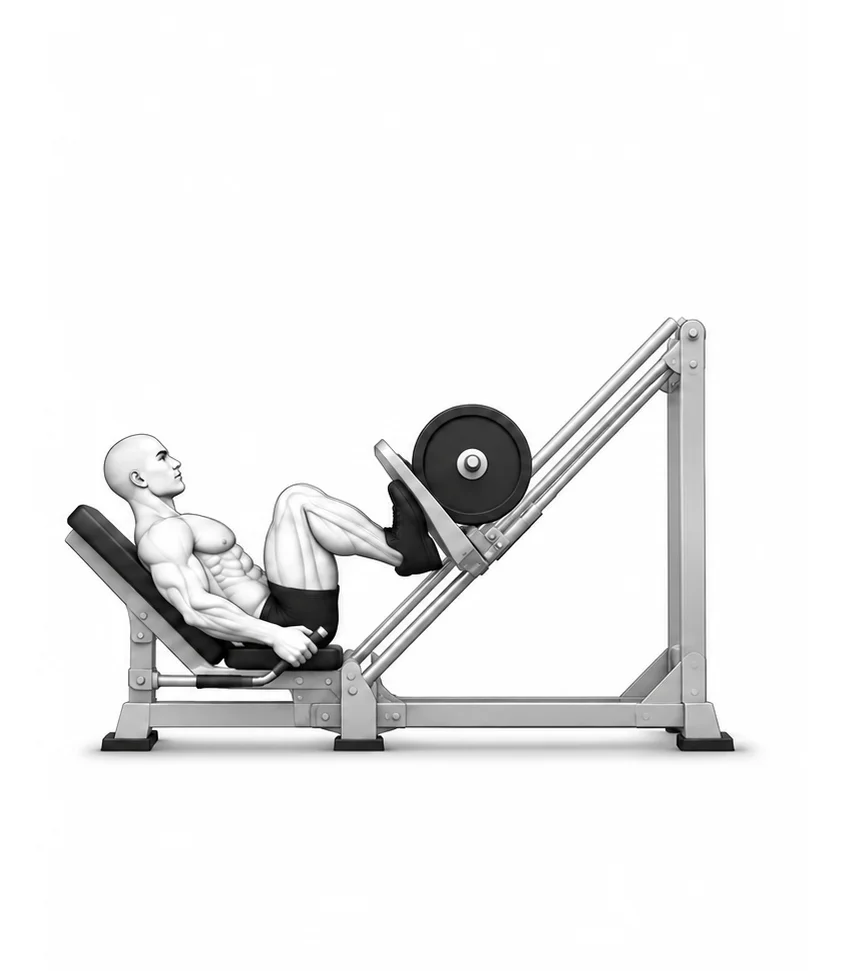
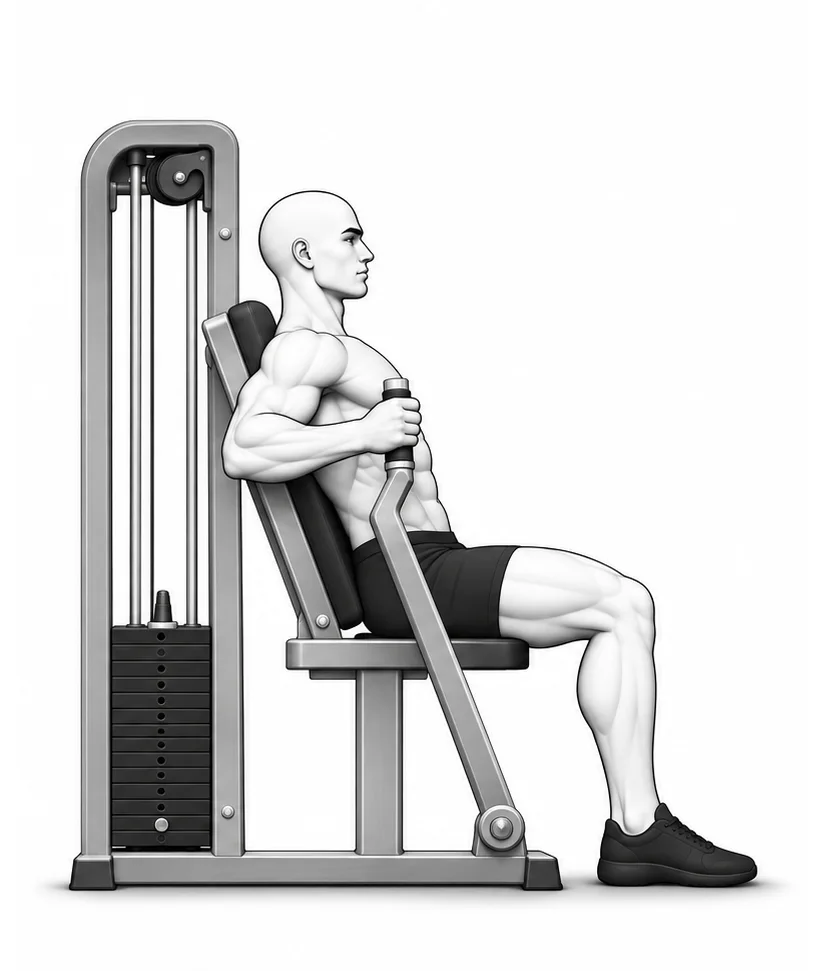
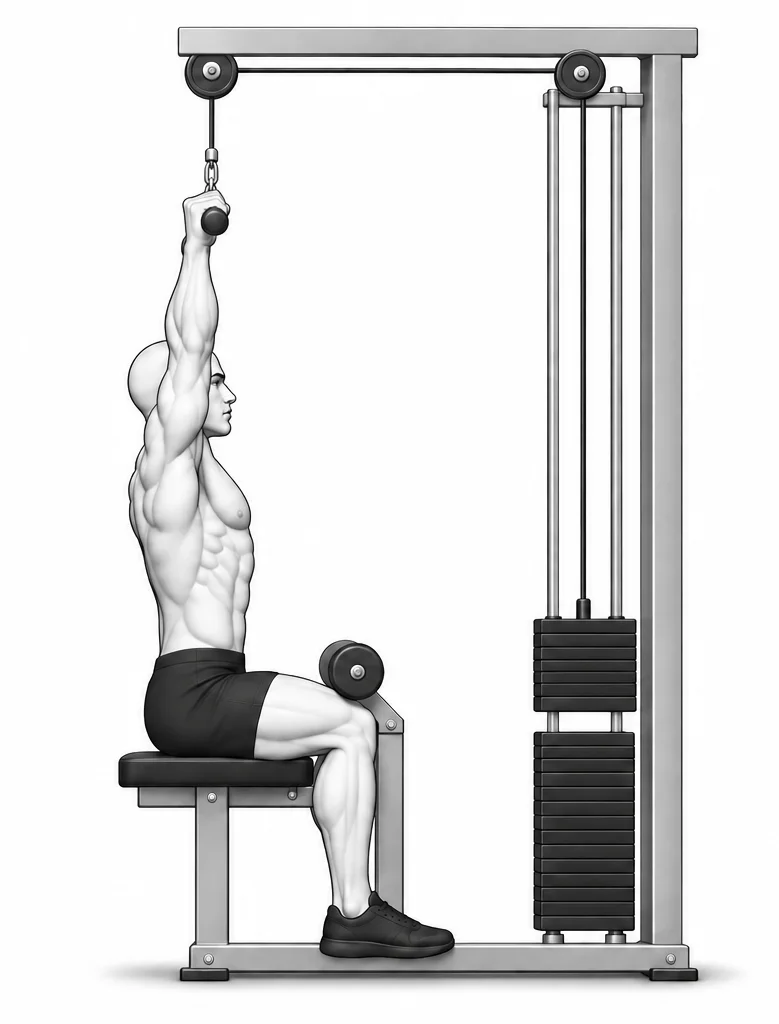
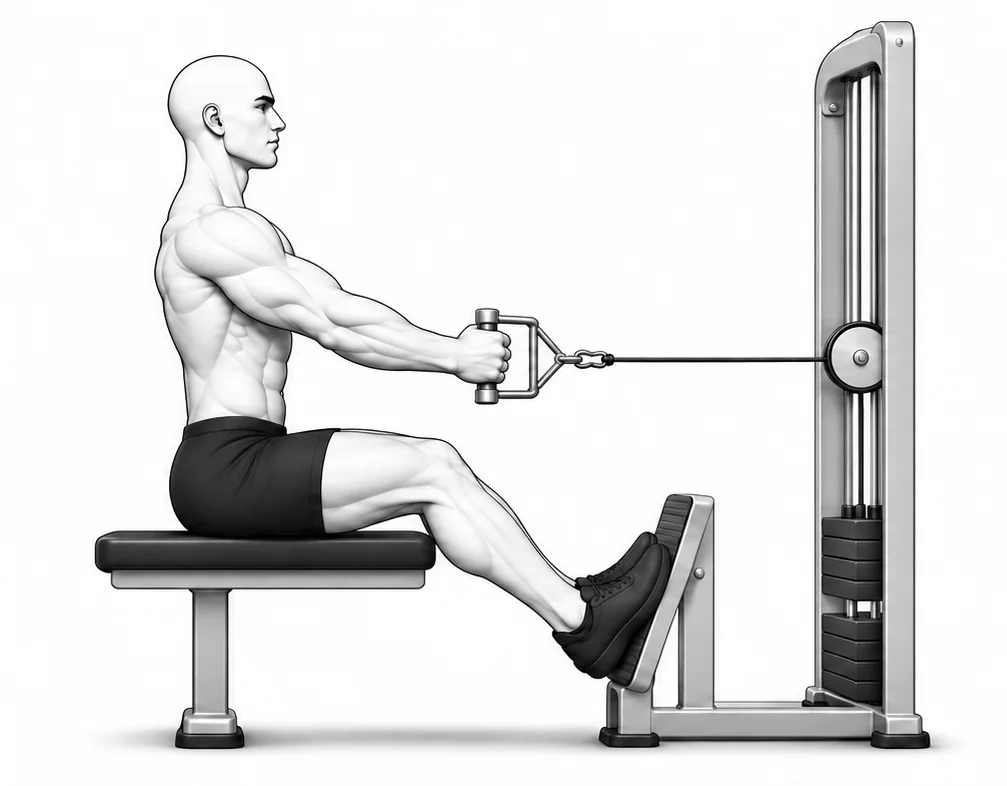
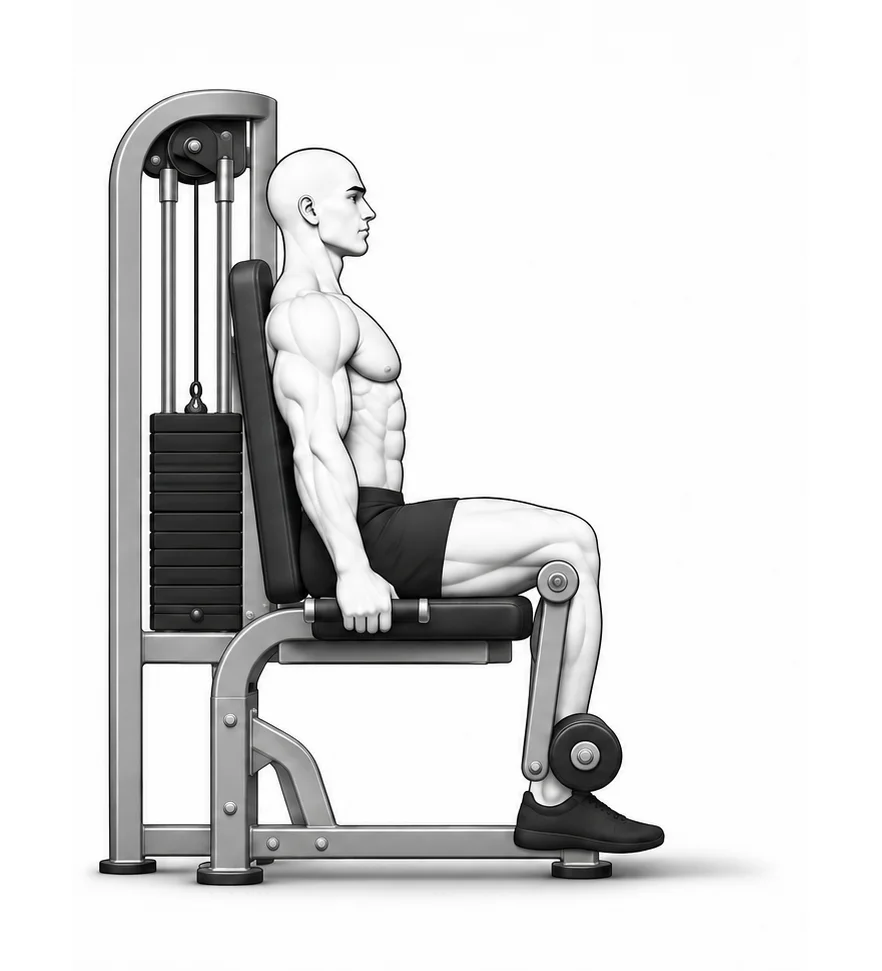
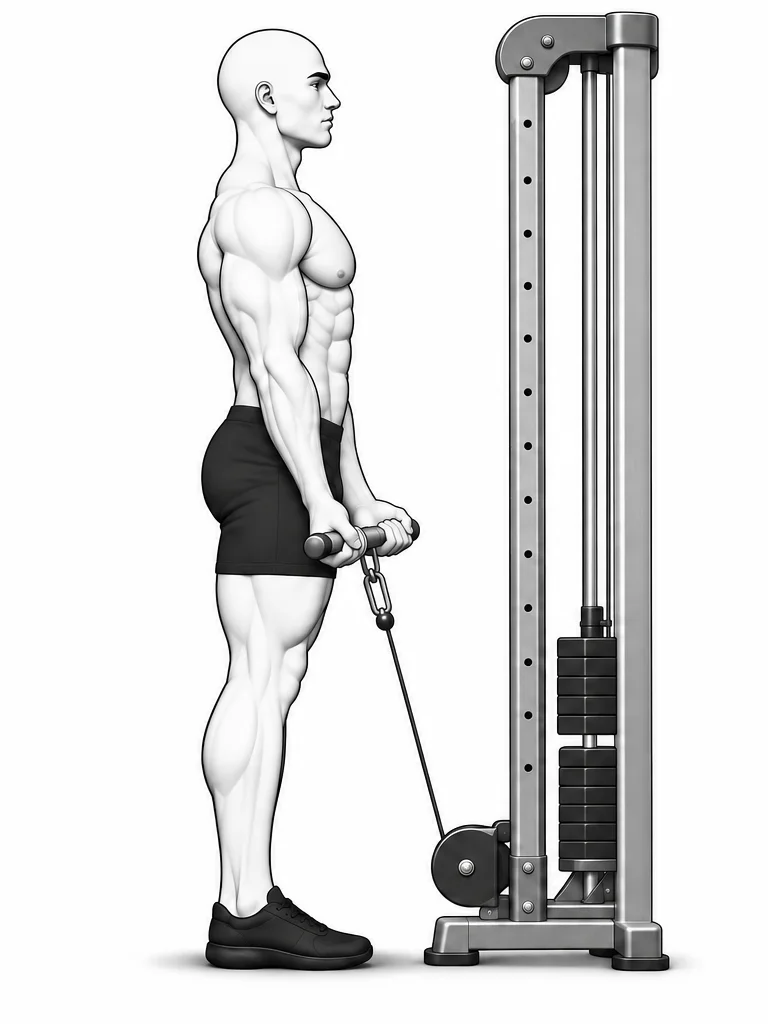
The research has used squats [1], the bench press [4], and the leg press, bench press and arm curl [2]. Exercises you can stop and restart quickly, without re-setting, suit short rests best: machines, cables, and lifts where you can rest with the weight supported.
Fagerli, writing about myo-reps, avoids dumbbell presses and urges care with squats, deadlifts and bent-over rows, where lower-back fatigue builds up across the short sets [5].
Common rest-pause mistakes
Resting too long. The pauses in the studies were about 20 seconds [1]. A full rest turns the bursts into ordinary sets.
Changing the weight. Rest-pause keeps the same weight; lowering it makes it a drop set.
Comparing it with ordinary sets. A rest-pause block is one total with short pauses. Compare it with your last rest-pause block on the same exercise.
Underestimating the effort. Rest-pause recruited muscle harder than ordinary sets in the squat study [1], so it is hard work even when it is short.
How rest-pause compares
Rest-pause vs myo-reps #
Myo-reps are a form of rest-pause [5]. Myo-reps use a lighter activation set of about 9–20 repetitions, rests of about 10 seconds and a stopping rule [5]; rest-pause studies start heavier, around 80% of a one-repetition maximum, with about 20-second rests [1].
What the research tested
Three ways to 20 squats (Marshall et al., 2012) #
Fourteen trained men did 20 squat repetitions at 80% of a one-repetition maximum three ways: five sets of four with 3-minute rests, five sets of four with 20-second rests, and rest-pause (the first set to failure, then 20-second rests). Rest-pause took about 2 sets and 103 seconds, against 140 and 780 seconds. Force fell by a similar amount in all three and recovered within 5 minutes, and rest-pause produced the highest muscle activation [1].
Pauses between repetitions (Korak et al., 2017) #
Twenty trained men trained the bench press for 4 weeks, 4 sets to fatigue at 80% of a one-repetition maximum, with or without a 4-second pause between repetitions. Strength and muscle activation changed similarly, and the rest-pause group lifted more total weight (56,778 against 38,315 lb) [4].
Six weeks in trained lifters (Prestes et al., 2019) #
Eighteen trained people did rest-pause training or traditional training (3 sets of 6 at 80% of a one-repetition maximum, 2-minute rests) for 6 weeks. Maximal strength rose similarly; thigh muscle thickness rose 11% against 1%, and leg-press endurance 27% against 8% [2].
Does rest-pause training work?
In trained lifters it held up well. Over 6 weeks, rest-pause matched traditional sets for maximal strength and produced more thigh muscle growth (11% against 1%) and leg-press endurance (27% against 8%) [2]. Over 8 weeks with volume matched, it produced similar muscle growth to traditional sets and more squat strength [3].
In a single session, rest-pause reached the same number of repetitions far faster, with higher muscle activation [1]. In a 4-week bench press study, strength gains were similar and lifters moved more total weight [4].
The studies are small (14 to 28 people) and use different definitions of rest-pause, so the evidence is promising but limited [1][2][3][4].
How Liftometry records rest-pause
See how Liftometry records rest-pause #
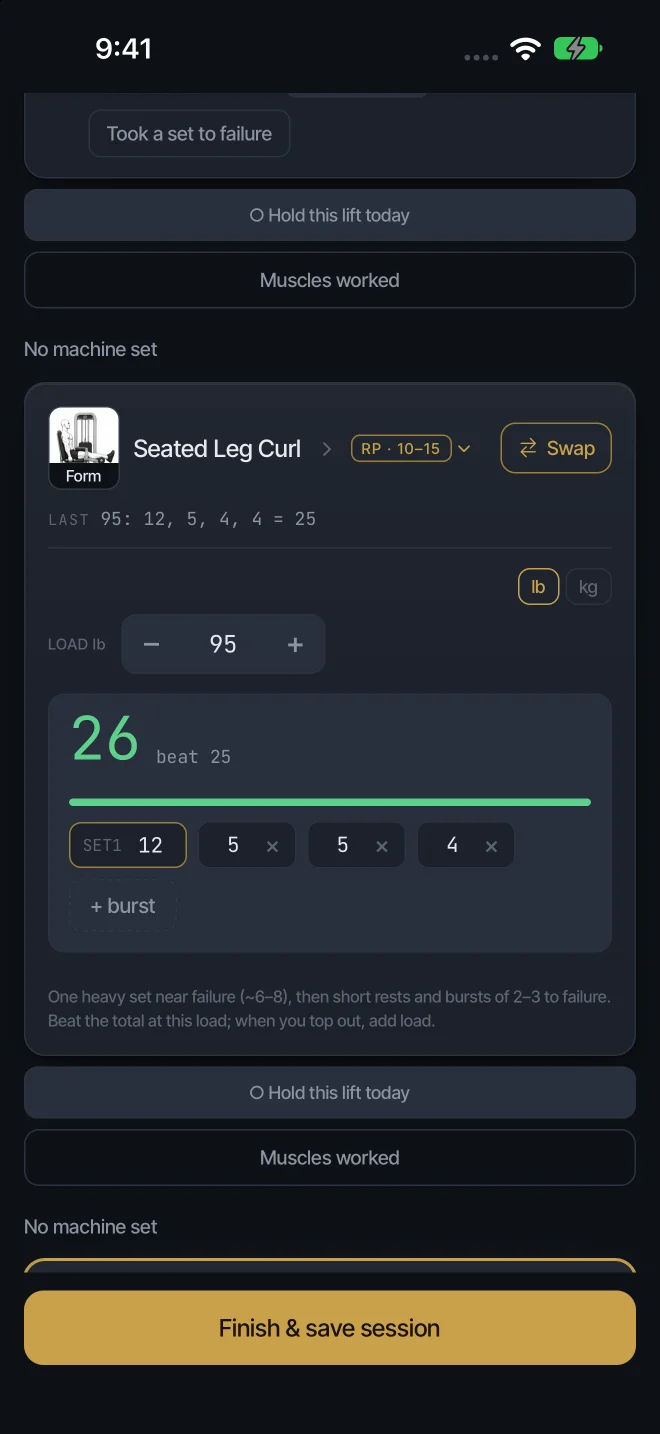
Choose Rest-Pause from the method badge on the lift's card. Log the opening set in SET1 and add each burst with + burst. No rest timer runs between bursts, on the phone or the Watch; you take the short rests yourself.
How Liftometry scores it #
Rest-pause is scored on reps: the total across the block, like myo-reps. A block is a PR when its total beats your best block at the same or a heavier load. Your first block sets the record; it is not a PR.
In the weekly volume by muscle on the Progress tab, a rest-pause block counts the opening set plus each burst as hard sets.
On Apple Watch #
Rest-pause works on the Watch too: log the opening set and each burst, then tap End block.
Questions people ask
What is rest-pause training? #
Training with heavy sets taken to or near failure, followed by short rests of about 20 seconds and more repetitions with the same weight [1].
What's the difference between rest-pause and myo-reps? #
Myo-reps are a form of rest-pause with a lighter, higher-repetition activation set, about 10-second rests and a stopping rule [5]. See myo-reps.
More set method guides
Next guide: Supersets. Also: Drop sets, Myo-reps, or all set method guides.
Lifts it suits
Sources
- 1Marshall PW, Robbins DA, Wrightson AW, Siegler JC. Acute neuromuscular and fatigue responses to the rest-pause method. J Sci Med Sport. 2012;15(2):153–8. pubmed.ncbi.nlm.nih.gov/21940213
- 2Prestes J, Tibana RA, de Araujo Sousa E, et al. Strength and muscular adaptations after 6 weeks of rest-pause vs. traditional multiple-sets resistance training in trained subjects. J Strength Cond Res. 2019;33 Suppl 1:S113–21. pubmed.ncbi.nlm.nih.gov/28617715
- 3Enes A, Alves RC, Schoenfeld BJ, et al. Rest-pause and drop-set training elicit similar strength and hypertrophy adaptations compared with traditional sets in resistance-trained males. Appl Physiol Nutr Metab. 2021;46(11):1417–24. pubmed.ncbi.nlm.nih.gov/34260860
- 4Korak JA, Paquette MR, Brooks J, Fuller DK, Coons JM. Effect of rest-pause vs. traditional bench press training on muscle strength, electromyography, and lifting volume in randomized trial protocols. Eur J Appl Physiol. 2017;117(9):1891–6. pubmed.ncbi.nlm.nih.gov/28702807
- 5Fagerli B. Myo-reps in English. borgefagerli.com, 1 May 2012 (archived copy; first published on mountaindogdiet.com). web.archive.org/web/20130226050938/http://borgefagerli.com:80/myo-reps-in-english