Supersets
A superset is two exercises done back to back, with no rest between them and one rest after the pair [1][2]. Three exercises done the same way is a tri-set [1]. Supersets fit the same work into less time; in studies they produced similar strength and muscle gains to doing the same sets one exercise at a time [2].
What is a superset?
In a superset you do a set of one exercise, go straight to a set of a second exercise, then rest. That is one round. A study comparing set structures defined it as "the completion of two exercises consecutively followed by a recovery period"; three exercises done that way is a tri-set [1].
A systematic review of 19 studies describes supersets as two exercises with little or no rest between them [2]. What changes is the order of the work and where the rest goes: the sets and reps can stay the same.
Types of superset #
Opposing muscles (agonist-antagonist). The two exercises train opposite sides of a joint, such as a press and a row. A review calls this agonist-antagonist paired set training [3]. In the meta-analysis, these pairs let lifters complete more repetitions than ordinary sets [2].
Same muscle. Both exercises train the same muscle, such as a chest press followed by a fly. These pairs lowered the total load lifted compared with ordinary sets [2][5].
Upper and lower body. One exercise for the upper body, one for the lower. A review lists upper-lower supersets among the time-saving set structures [5].
Tri-sets. Three exercises back to back, then the rest [1].
How to do a superset
- Pick two exercises. Opposing muscles (a press and a row) is the most common pairing, and the one the research on extra repetitions used [2][3].
- Set up both before you start. The point is to move between them without a break, so have the weight, bench or cable ready for the second exercise.
- Do a set of the first exercise.
- Go straight to a set of the second. No planned rest in between [1][2].
- Rest, then repeat the round. In the set-structure study, lifters rested 2 minutes after each pair or trio [1].
Example: a superset, round by round
EXAMPLE (SAMPLE NUMBERS)
- Round 1: Bench Press 190 lb × 9, then straight to Lat Pulldown 150 lb × 10. Rest 2:00.
- Round 2: Bench Press 190 lb × 8, then Lat Pulldown 150 lb × 10. Rest 2:00.
- Round 3: Bench Press 190 lb × 8, then Lat Pulldown 150 lb × 9.
Six sets in three rounds. Done as ordinary sets with the same rest after every set, the same work would carry six rests instead of three.
In a study of six exercises at 3 sets of 10, the session took 42.3 minutes as ordinary sets, 24.0 minutes as supersets and 17.7 minutes as tri-sets, with the same total work [1].
Which exercises work best in a superset?
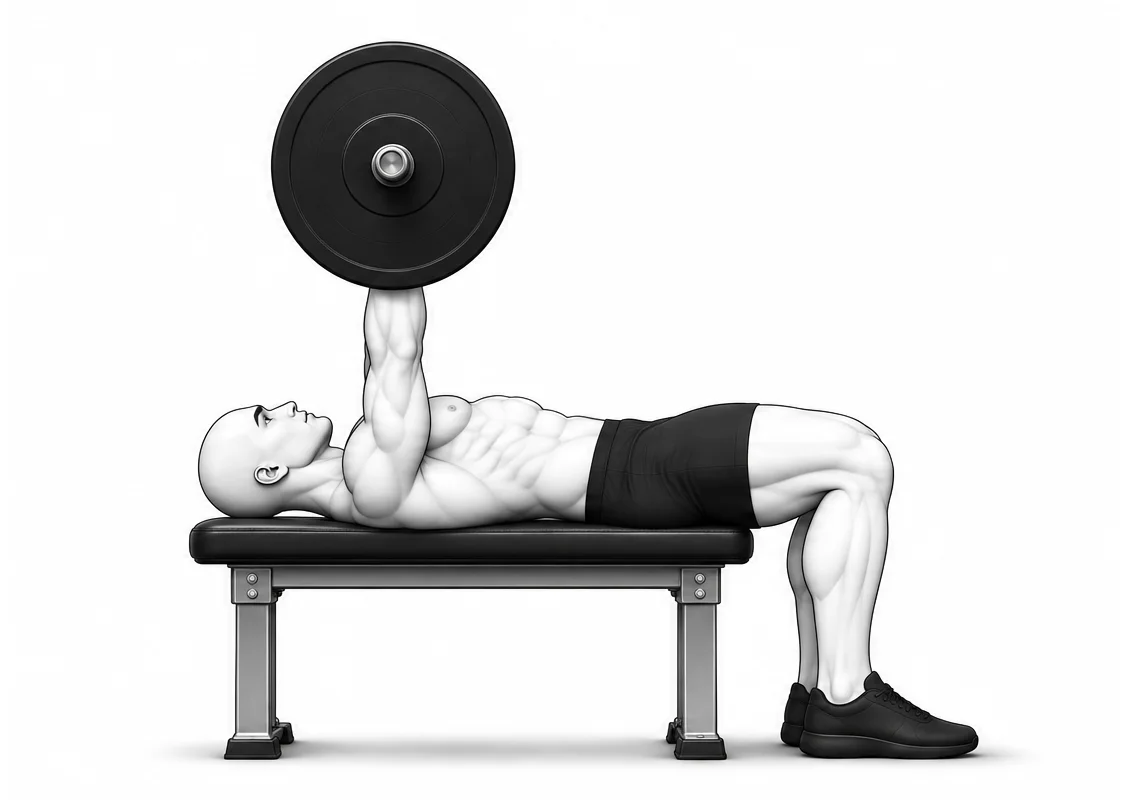
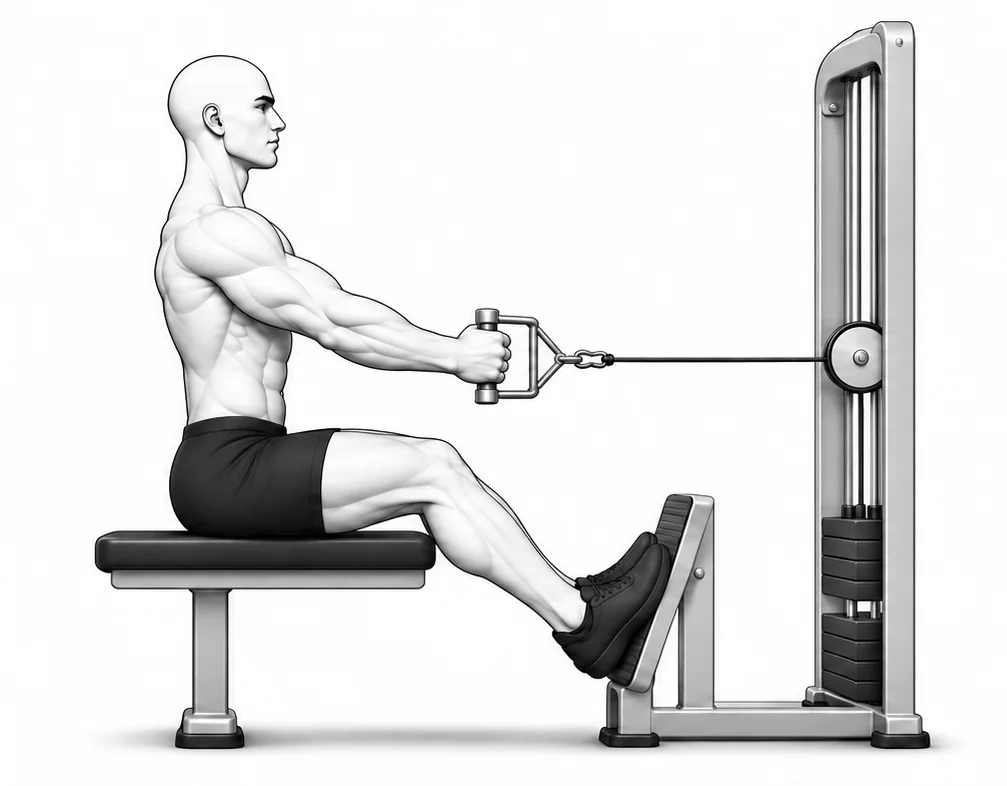
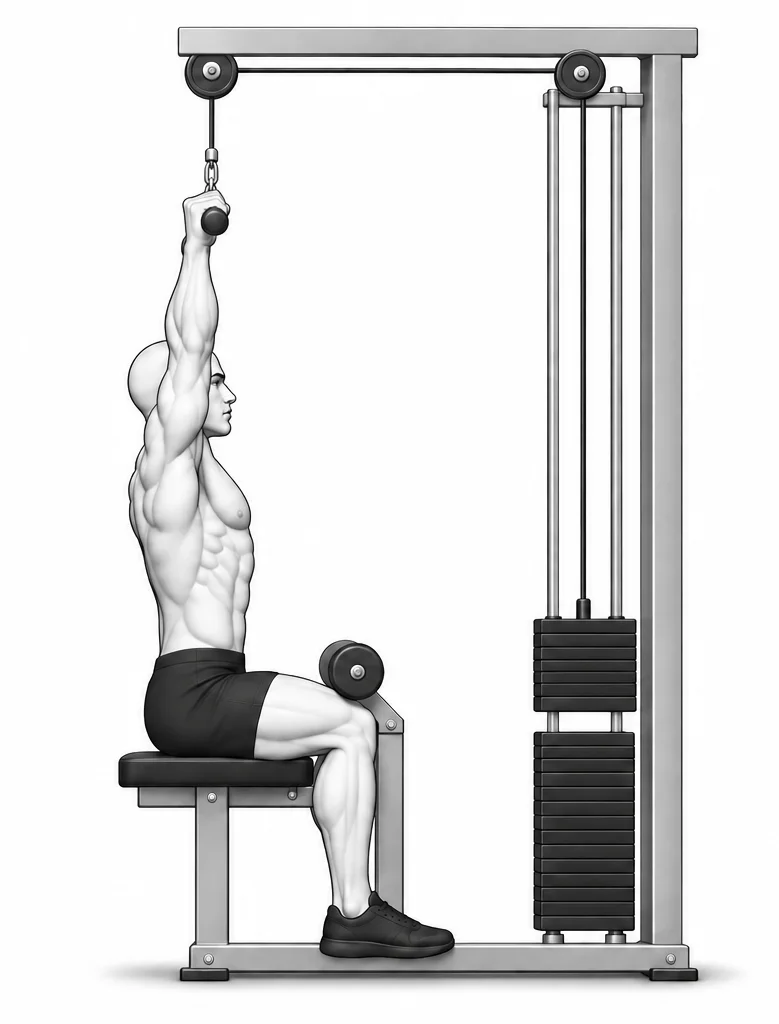
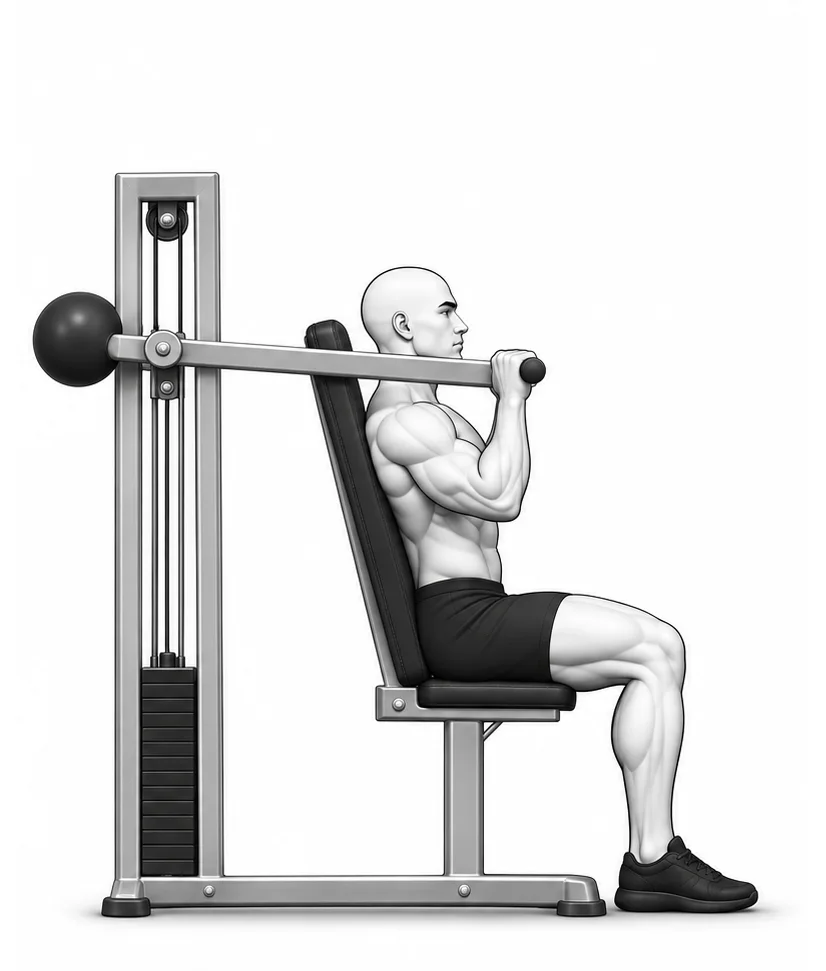
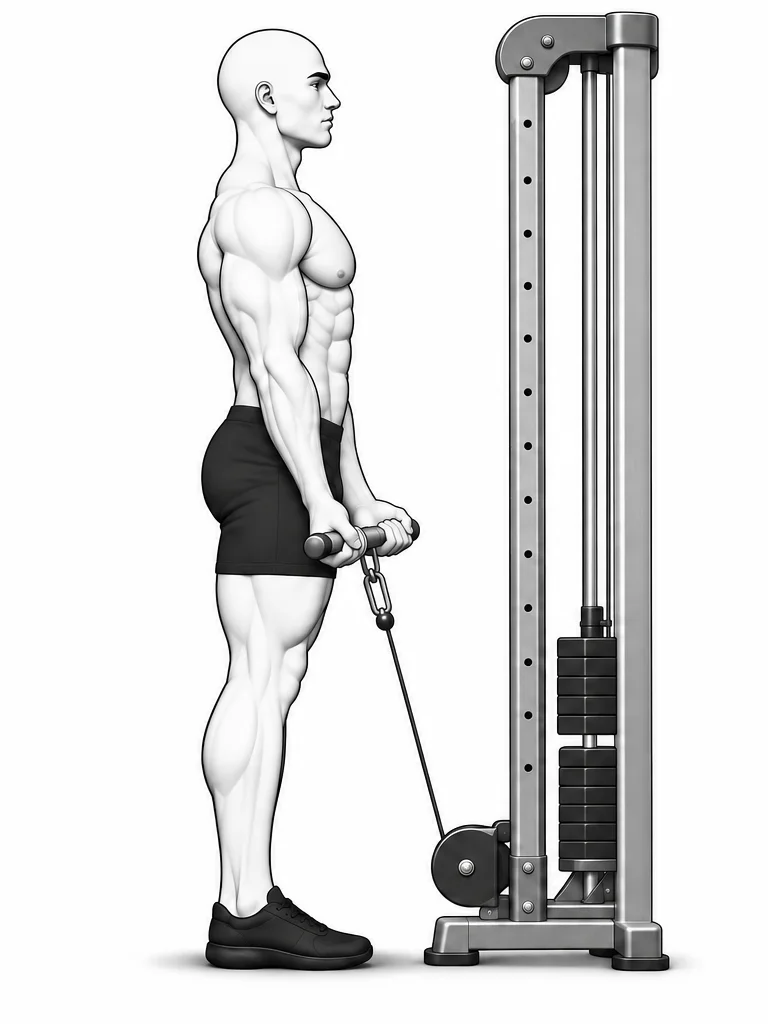
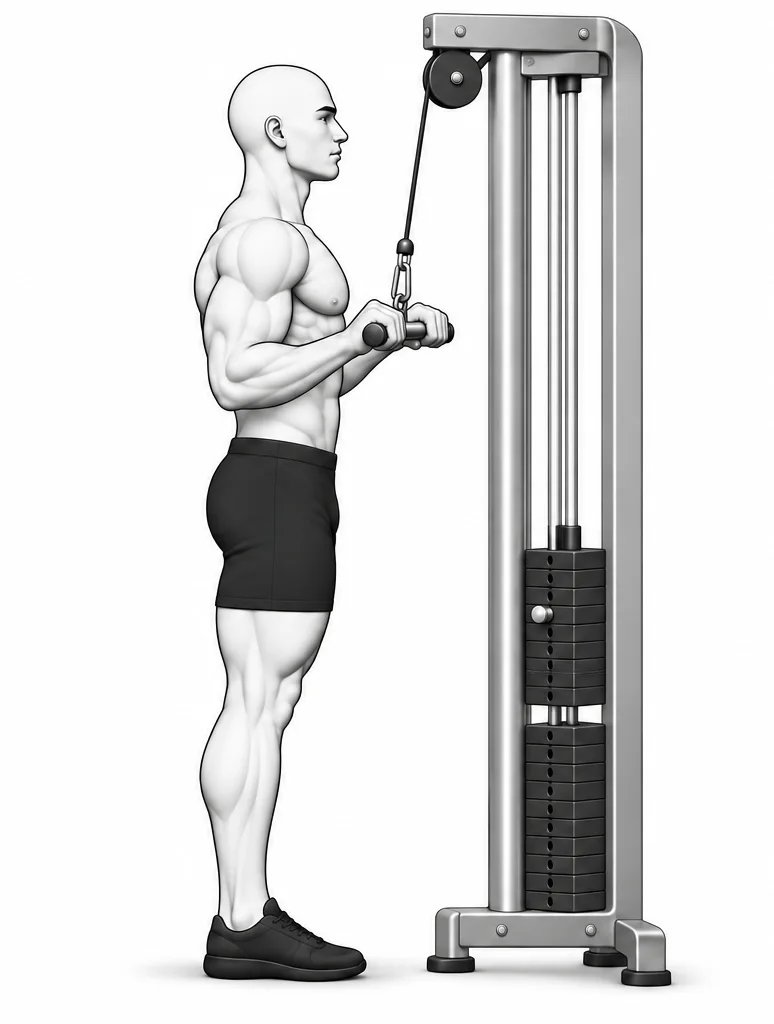
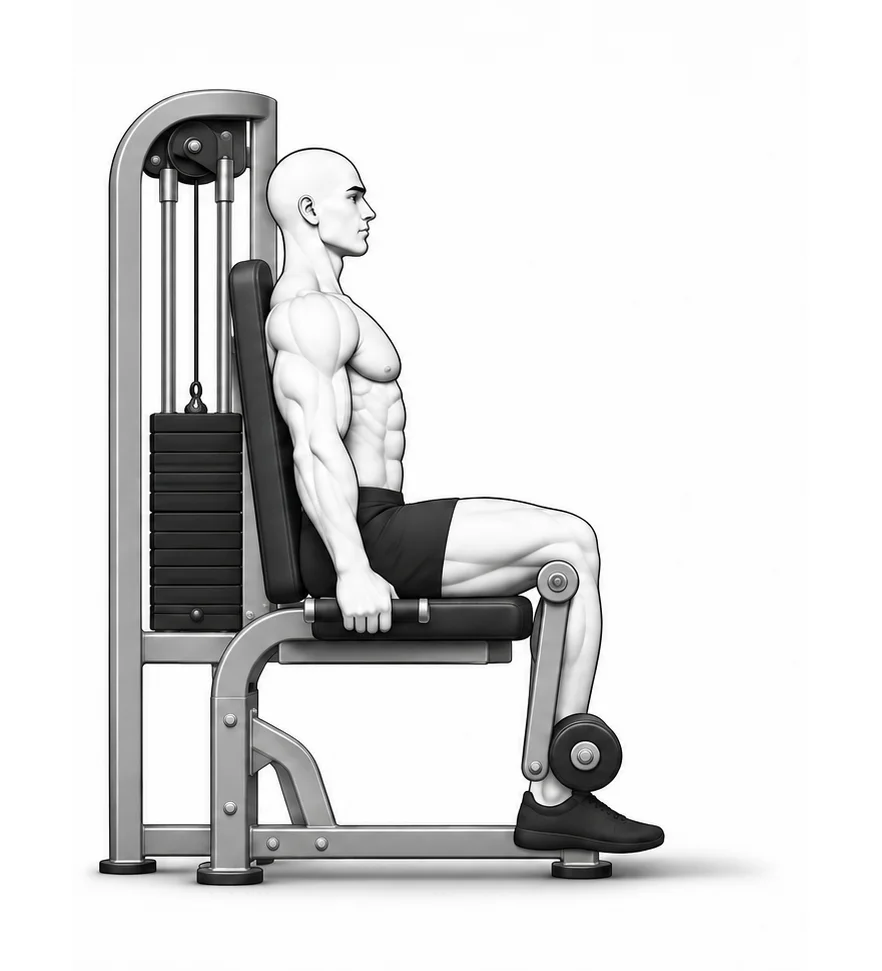
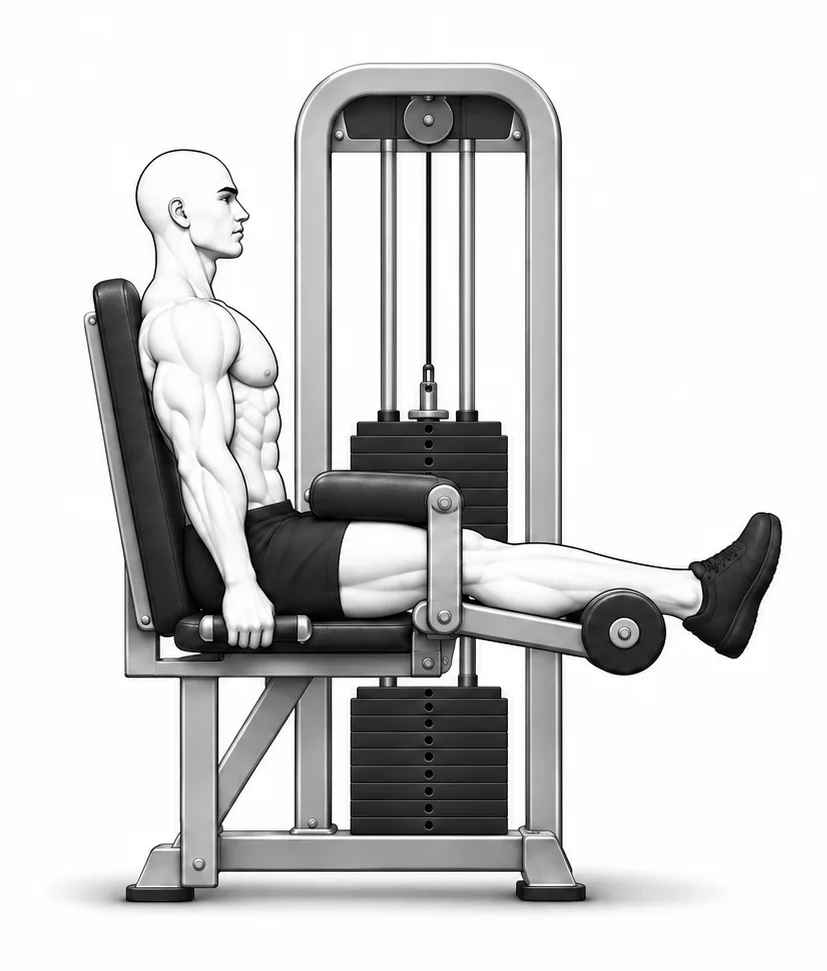
Pairs that train opposite muscles are the best studied: the review of agonist-antagonist training found it an efficient way to build strength, and in the meta-analysis these pairs let lifters do more repetitions [2][3]. Examples are a bench press with a seated cable row, a lat pulldown with a shoulder press, a cable curl with a triceps pushdown, and a leg extension with a leg curl.
Same-muscle pairs reduce the load you can lift on the second exercise, because that muscle is already tired [2][5].
Exercises that are quick to set up suit supersets best, because the method only saves time if you can move between them straight away. Machines and cables, which change weight with a pin, are the easiest.
Common superset mistakes
Resting between the two exercises. A long walk or set-up between them turns a superset back into two separate sets [1][2].
Expecting the same weights on a same-muscle pair. The second exercise is weaker when the first has already worked that muscle [2].
Ignoring the extra fatigue. Supersets raised blood lactate and rated effort more than ordinary sets [1][2], and in one study jump performance was still lower 24 hours later [1]. The authors note supersets may need more recovery [1][2].
Comparing a superset with your ordinary sets. The rest and order are different, so the numbers aren't directly comparable. Compare a superset with the same superset.
How supersets compare
Superset vs drop set #
A superset moves between two different exercises; a drop set stays on one exercise and lowers the weight. Both cut rest out of a session [2][5].
Superset vs myo-reps #
Myo-reps is one exercise with very short pauses between small mini-sets. A superset is two exercises with no pause, then a normal rest.
Superset vs rest-pause #
Rest-pause is one heavy set with short breaks to squeeze out more repetitions of the same exercise. A superset switches exercise instead of pausing.
What the research tested
Supersets and tri-sets, timed (Weakley et al., 2017) #
Fourteen male rugby players did six exercises at 3 sets of 10 (65% of a 3-repetition maximum), with 2-minute rests, three ways. The session took 42.3 minutes as traditional sets, 24.0 as supersets and 17.7 as tri-sets; work done per minute rose from 275 to 483 and 657 kg. Rated effort rose too (4.4, 6.8 and 7.6 out of 10), and jump performance was still lower 24 hours after the superset and tri-set sessions, but not after traditional sets [1].
Energy cost (Kelleher et al., 2010) #
Ten recreationally active young men did six exercises for 4 sets at a 10-repetition maximum, with the work matched. Total energy used was similar (1,010 against 954 kJ), but supersets used more per minute (34.7 against 26.3 kJ) and raised average blood lactate (5.1 against 3.8 mmol/L) [4].
Nineteen studies pooled (Zhang et al., 2025) #
A meta-analysis of 19 studies with 313 people found supersets matched traditional sets on repetitions and total load, were clearly more time-efficient, and raised lactate, energy cost and effort. Over weeks of training, strength and muscle growth were similar. Opposing-muscle pairs allowed more repetitions; same-muscle pairs lowered the total load [2].
Do supersets work?
Yes, for getting the same work done faster. Across 19 studies, supersets matched ordinary sets on repetitions and total load lifted, and were clearly more time-efficient [2].
Over weeks of training, strength and muscle growth were similar to ordinary sets [2]. So supersets are not a better way to build muscle; they are a faster way to do the same training.
The cost is effort and fatigue. Supersets burned more energy per minute [4], raised lactate and rated effort [1][2], and in one study left jump performance lower the next day [1]. Most studies are short and in young men, so the long-term picture is still limited [2].
How Liftometry records a superset
See how Liftometry records supersets #
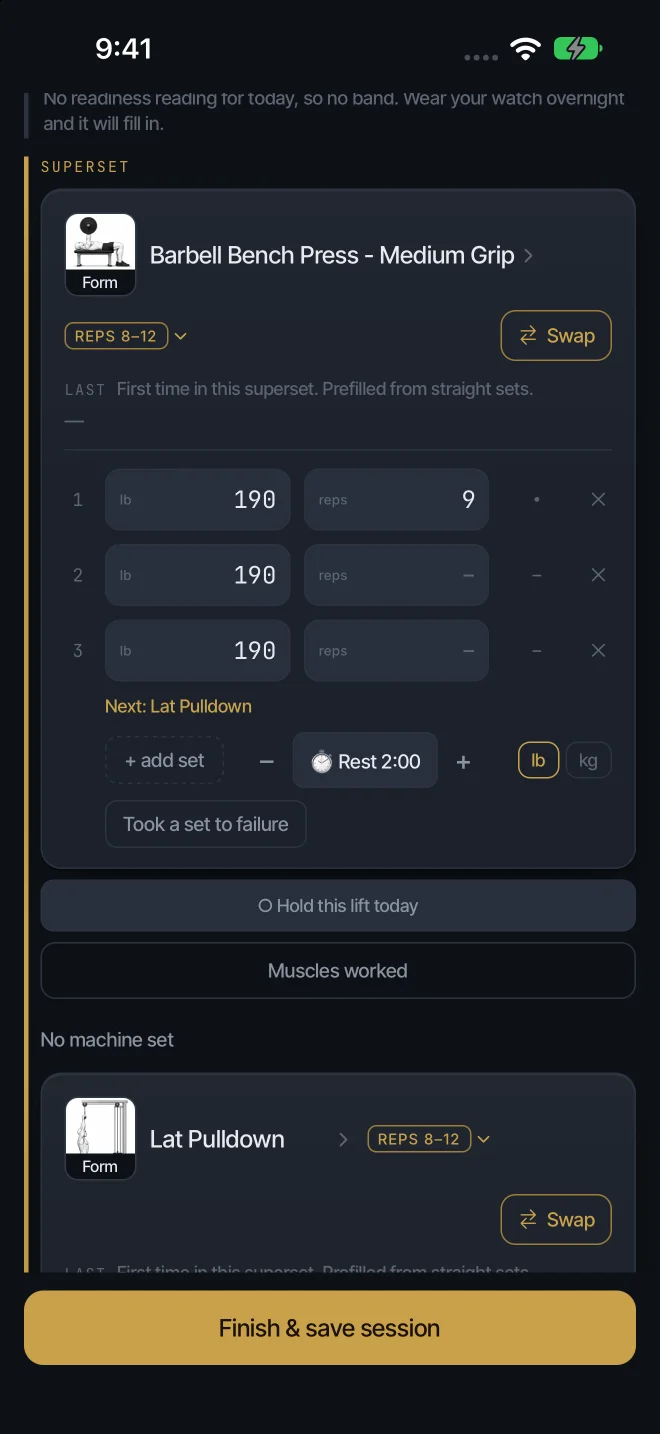
In Liftometry, a superset groups two or three lifts that use Straight sets. You build one in a program day: open the day, tap Edit, then Superset with next on the first lift. For three lifts, do the same on the second.
In the workout you log a set of each lift in turn, and the card names the next lift. The phone times one rest after the last lift of each round. You set it under REST AFTER THE ROUND; it starts at 2:00 and moves in 15-second steps.
How Liftometry compares it #
A superset is compared with itself: the same lifts, in the same order, with the same rest. Changing the saved rest starts a new comparison. Its history stays separate from the same lifts' straight-set history.
The first time, the cards can prefill from your straight sets and say First time in this superset.
On Apple Watch #
You can log superset sets on the Watch. The phone decides the next lift and runs the round rest, so a short Waiting for your phone to move on is normal.
Questions people ask
What is a superset? #
Two exercises done one after the other with no rest between them, then a rest before the next round [1][2].
What is a superset workout? #
A session where some or all exercises are done in pairs. It holds the same sets and reps as an ordinary session but takes less time; one study timed 24 minutes against 42 for the same work [1].
What's the difference between a superset and a drop set? #
A superset uses two exercises; a drop set uses one exercise and lowers the weight without resting [2][5]. See drop sets.
More set method guides
Next guide: Drop sets. Also: Myo-reps, Rest-pause sets, or all set method guides.
Lifts often paired
Sources
- 1Weakley JJS, Till K, Read DB, et al. The effects of traditional, superset, and tri-set resistance training structures on perceived intensity and physiological responses. Eur J Appl Physiol. 2017;117(9):1877–89. pubmed.ncbi.nlm.nih.gov/28698987
- 2Zhang X, Weakley J, Li H, Li Z, García-Ramos A. Superset versus traditional resistance training prescriptions: a systematic review and meta-analysis exploring acute and chronic effects on mechanical, metabolic, and perceptual variables. Sports Med. 2025;55(4):953–75. pubmed.ncbi.nlm.nih.gov/39903375
- 3Robbins DW, Young WB, Behm DG, Payne WR. Agonist-antagonist paired set resistance training: a brief review. J Strength Cond Res. 2010;24(10):2873–82. pubmed.ncbi.nlm.nih.gov/20733520
- 4Kelleher AR, Hackney KJ, Fairchild TJ, Keslacy S, Ploutz-Snyder LL. The metabolic costs of reciprocal supersets vs. traditional resistance exercise in young recreationally active adults. J Strength Cond Res. 2010;24(4):1043–51. pubmed.ncbi.nlm.nih.gov/20300020
- 5Krzysztofik M, Wilk M, Wojdała G, Gołaś A. Maximizing muscle hypertrophy: a systematic review of advanced resistance training techniques and methods. Int J Environ Res Public Health. 2019;16(24):4897. pubmed.ncbi.nlm.nih.gov/31817252